

What Is a Dry Socket?
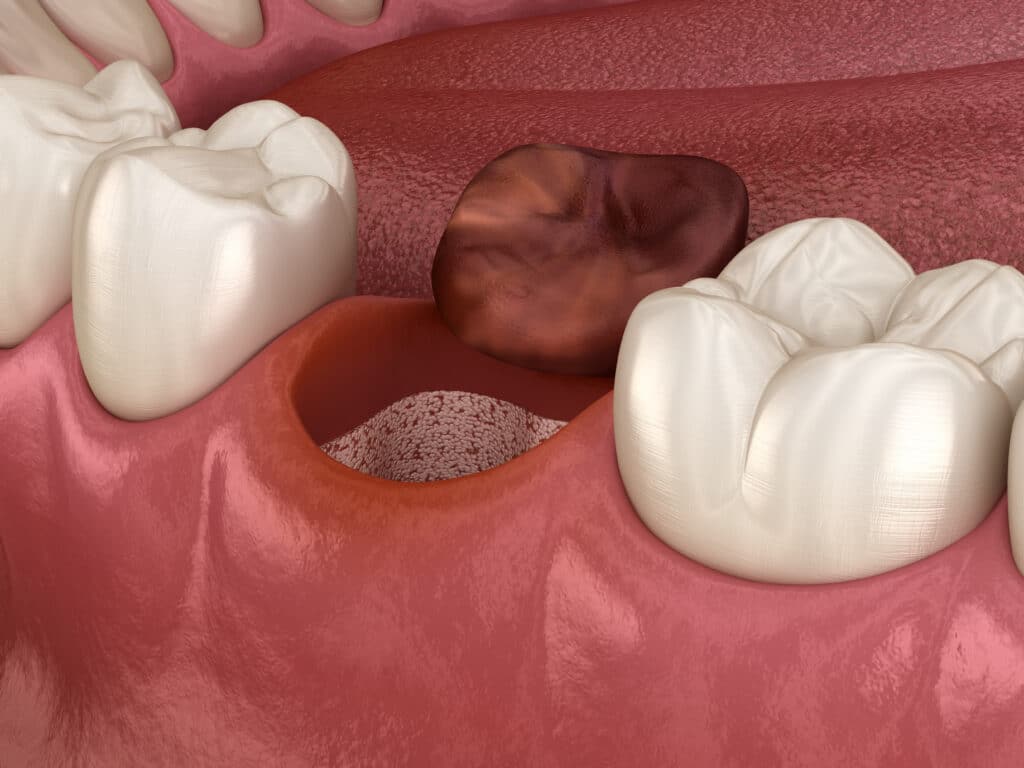 Clotting blood is important to wound healing. A dry socket happens when the blood clot at the site of the pulled tooth either never develops, dissolves, or dislodges before the wound has healed.
This can cause severe pain that can radiate to other parts of your body including your eye, neck, temple, or ear. You may see an empty socket or even see the bone in the socket. Another symptom is bad breath or an unpleasant taste in your mouth
Dry sockets are often the symptom of other things like a bacterial infection or trauma at the wound. They can also be the result of complicated surgery, like removing an impacted wisdom tooth.
You will want to inform your dentist or surgeon if you have a dry socket. You will likely need to go back into the office for an exam to make sure the area is healing properly.
This is particularly true if you have other health issues or are on blood thinners or aspirin therapy. That will prevent your blood from properly clotting.
There are six solid home remedies you can try to end the pain and help your dry socket heal. These are safe remedies that use things you may already have in your cupboard.
You can ask your dentist or surgeon about the effectiveness of each but how well they work may depend on your preference and pain level.
Clotting blood is important to wound healing. A dry socket happens when the blood clot at the site of the pulled tooth either never develops, dissolves, or dislodges before the wound has healed.
This can cause severe pain that can radiate to other parts of your body including your eye, neck, temple, or ear. You may see an empty socket or even see the bone in the socket. Another symptom is bad breath or an unpleasant taste in your mouth
Dry sockets are often the symptom of other things like a bacterial infection or trauma at the wound. They can also be the result of complicated surgery, like removing an impacted wisdom tooth.
You will want to inform your dentist or surgeon if you have a dry socket. You will likely need to go back into the office for an exam to make sure the area is healing properly.
This is particularly true if you have other health issues or are on blood thinners or aspirin therapy. That will prevent your blood from properly clotting.
There are six solid home remedies you can try to end the pain and help your dry socket heal. These are safe remedies that use things you may already have in your cupboard.
You can ask your dentist or surgeon about the effectiveness of each but how well they work may depend on your preference and pain level.
Temperature Therapy
Using cold and heat therapy can reduce swelling immediately after surgery. Cold packs are recommended to use for the first 24 hours after having a tooth pulled. Put the pack against your face for 15 minutes at a time. The cold helps numb nerves in your mouth. Follow that with warm washcloths to reduce pain. Heat usually soothes pain. Dentists will always tell you to use warm and not hot washcloths. Place it against your cheek when you feel pain. It may take several hours to see a reduction in swelling but the compresses will make that process move a little faster. Some people find that one works better than the other for them so try both and use the method that gives you the most relief.